


How Much Does Heavy Equipment Transport Cost in 2026?
Heavy equipment transport pricing depends on more than mileage. Dimensions, weight, trailer type, route, permits, loading method, operating condition, and delivery access all affect the final quote.
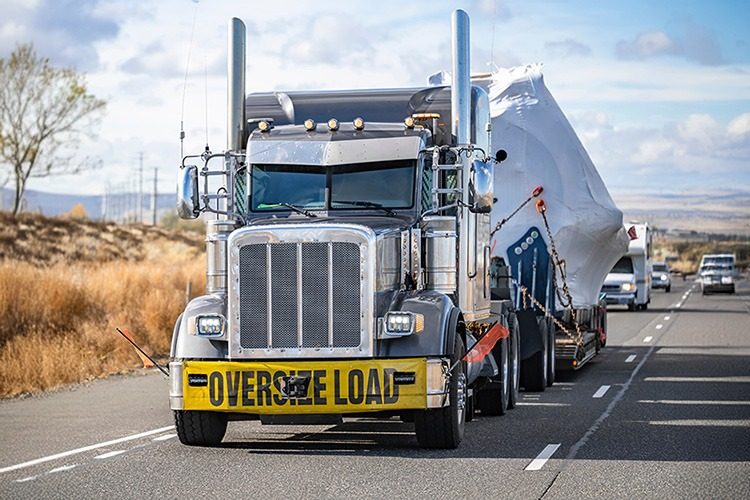
For general planning, legal-size lowboy shipments may fall within a broad market range of approximately $3.50 to $8.00 per loaded mile. Oversize or overweight shipments requiring permits, escorts, route reviews, or specialized configurations may range from approximately $5.00 to $15.00 or more per mile. These figures are not guaranteed prices. Each shipment must be evaluated individually.
Heavy Equipment Shipping Rates: What Does the Per-Mile Price Include?
Heavy equipment shipping rates are influenced by more than the loaded mileage. Carrier deadhead, equipment dimensions, trailer availability, permits, tolls, route restrictions, loading method, fuel, market demand, and pickup or delivery access can all change the shipment-specific rate. Short moves may also carry minimum charges that make the effective per-mile rate higher than a longer interstate move.
For that reason, a published per-mile number should be used only as a planning range. The most accurate heavy equipment shipping quote is based on the actual machine, route, dimensions, weight, condition, and loading requirements.
Heavy Equipment Shipping Calculator: The Inputs That Matter
Online heavy equipment shipping calculators can provide a rough starting point, but a reliable estimate requires more than ZIP codes. Before pricing a move, gather the following:
- Pickup and delivery locations
- Year, make, model, and equipment type
- Exact length, width, height, and operating weight
- Whether the equipment runs, steers, and brakes
- Attachments such as buckets, blades, booms, forks, or dual tires
- Loading and unloading method
- Site access, appointment, or staging restrictions
- Preferred pickup window
If those details are available, request a shipment-specific heavy equipment quote. For trailer planning, compare RGN, lowboy, and step-deck options.
What Determines Heavy Equipment Transport Cost?
Equipment dimensions and weight
Accurate length, width, height, and operating weight determine whether the shipment can move legally or requires oversize or overweight permits.
Trailer type
Step decks, lowboys, RGNs, flatbeds, and multi-axle trailers have different capacities and operating costs. A removable gooseneck trailer may be required when equipment must drive onto the trailer from ground level.
Pickup and delivery access
Commercial yards with room to maneuver are generally simpler than residential streets, farms, ports, or active construction sites. Restricted access can require additional planning or loading support.
Operating condition
Running equipment may be driven onto an RGN. Non-running machinery can require a winch, forklift, crane, or rigging crew, increasing total cost.
Route and distance
Longer distances raise the total price, although efficient long-haul routes may have a lower cost per mile. Rural areas, border regions, mountain routes, and low-backhaul markets may cost more.
Permits and escorts
Oversized loads may require state permits, pilot cars, police escorts, route surveys, daylight-only movement, or restricted travel times.
Common Equipment Transport Scenarios
- Skid steers and compact loaders: May move on a hotshot, flatbed, or step deck when legal size and weight allow.
- Excavators and bulldozers: Frequently require a lowboy or RGN.
- Cranes and industrial machinery: May require multi-axle trailers, escorts, route engineering, or partial disassembly.
- Agricultural equipment: Tractors, combines, and harvesters often require width or height permits.
How to Get an Accurate Quote
Provide the year, make, model, exact dimensions, operating weight, pickup and delivery addresses, operating condition, loading resources, site-access details, requested timing, and current photos.
Incorrect specifications can change the trailer requirement, permit plan, and price. Attachments, blades, buckets, booms, counterweights, dual tires, and modifications must be included.
Why the Cheapest Quote May Not Be the Best
A realistic heavy-haul quote should account for the correct trailer, carrier qualifications, route, permits, access, and loading plan. An unusually low price may not include everything required to complete the shipment safely and legally.
Request a Heavy Equipment Transport Quote
Elevation Transport Services coordinates nationwide transport for excavators, bulldozers, skid steers, tractors, forklifts, generators, buses, and industrial machinery. Visit our Heavy Equipment Transport page or request a Specialized Transport Quote.
Pricing and transit estimates vary according to equipment specifications, route, permits, weather, access, loading readiness, and operating conditions.
Need Help Planning Your Transport?
Request a detailed quote for auto transport, enclosed shipping, heavy equipment, oversize freight, or specialized transport.
Moving compact construction machinery? See our skid steer transport service for dimensions, trailer selection, attachments, access, and cost factors.
Backhoe shipping costs depend on verified dimensions, weight, attachments, route, loading method, and trailer selection. See our backhoe transport service for machine-specific planning details.
What Determines Heavy Equipment Transport Cost?
Heavy equipment transport cost is driven by the machine’s actual size and weight, trailer type, distance, route, operability, loading method, site access, permit or escort requirements, and scheduling flexibility. A reliable quote should be based on the actual machine and route rather than a generic per-mile estimate.