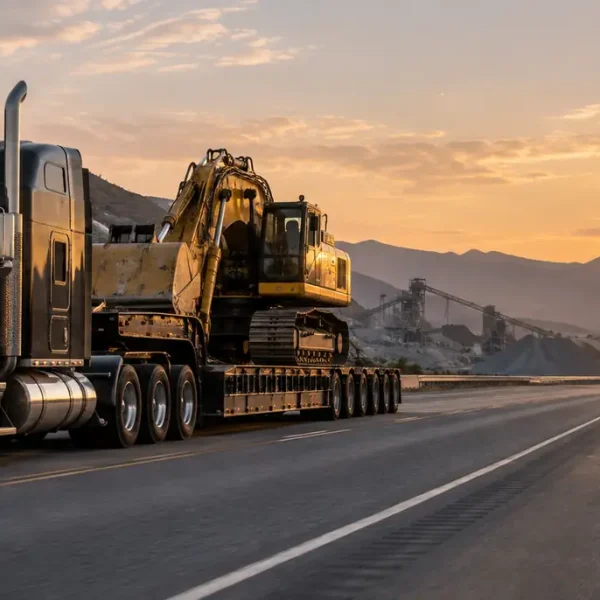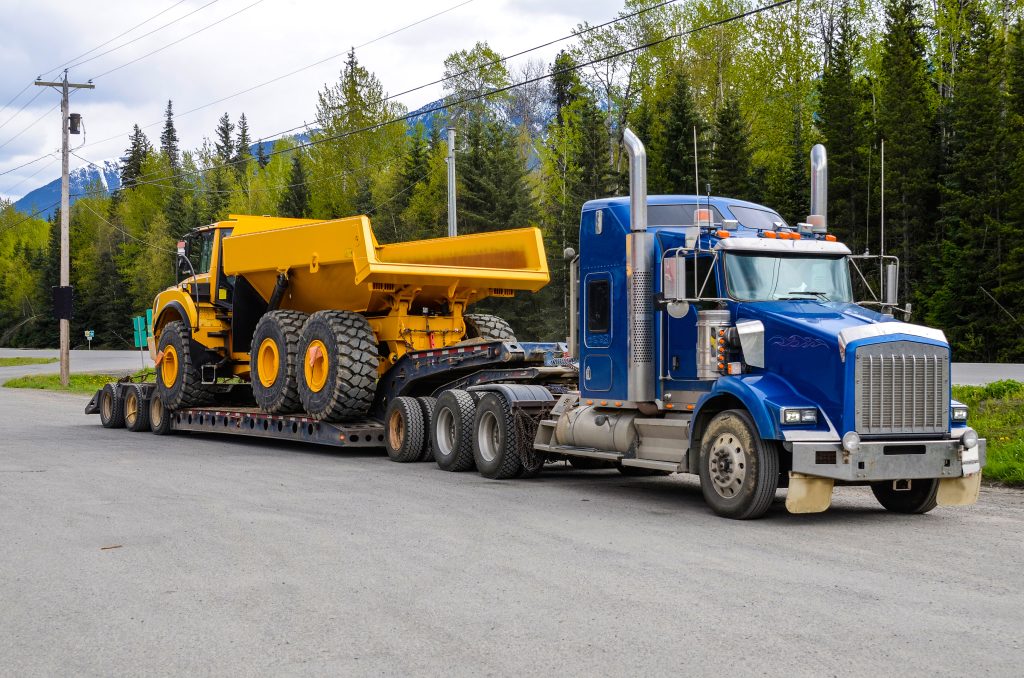
Prepare heavy equipment for transport by confirming its shipping configuration, dimensions, weight, operating condition and loading arrangements. The machine owner, site team and carrier each need clear responsibilities before pickup. A model name or an old auction listing is not enough to plan the move.
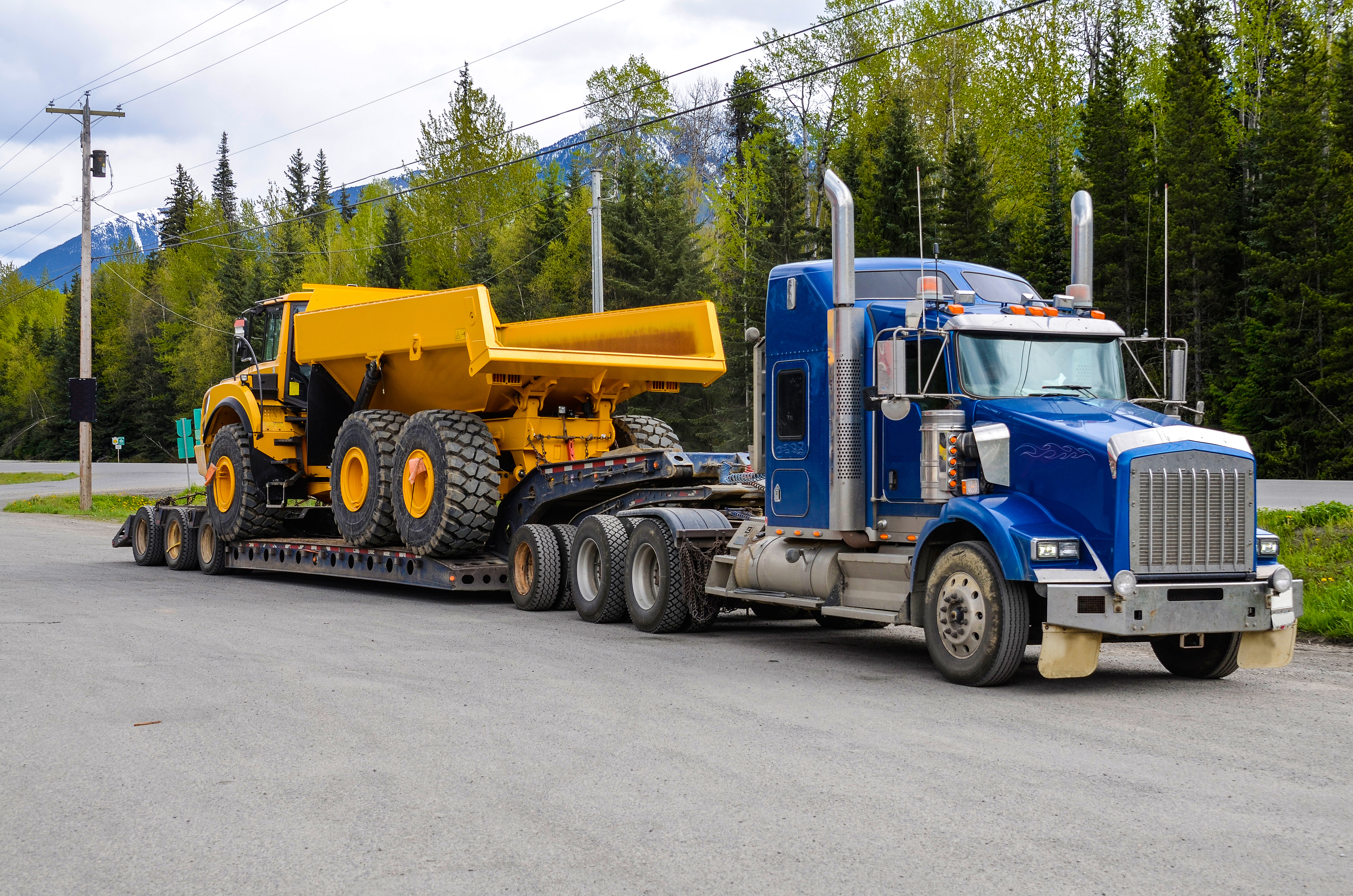
Record the Machine as It Will Be Shipped
Start with the manufacturer, model, serial number and current photographs. Record length, width, height and weight for the prepared transport configuration, including installed attachments. Identify the source of the weight and label any estimate that still needs verification.
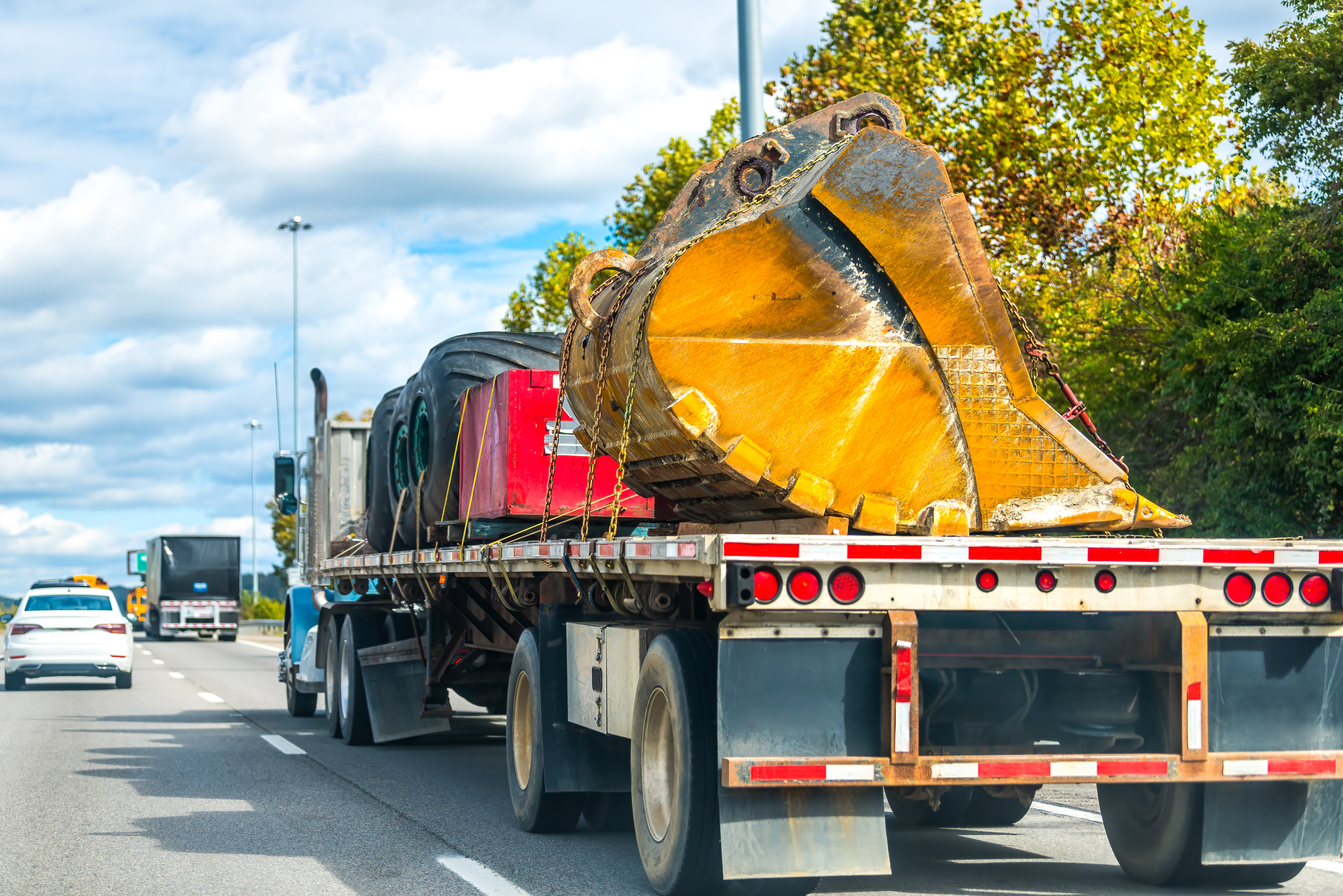
List detached buckets, blades, forks, headers, counterweights and other components separately, with their dimensions and weights. Tell the coordinator which pieces belong to each machine. Do not assume loose attachments will fit on the same trailer.
Follow the Manufacturer’s Preparation Instructions
Clean away loose soil, aggregate and debris so condition and attachment points can be inspected. Photograph the cab, panels, glass, tires or tracks, accessories and existing damage. Remove unsecured tools and personal property.
Have qualified personnel fold, lower, remove or secure components according to the manufacturer’s transport procedure. Disclose fuel, batteries, fluids and leaks. Do not improvise draining, disconnection or disassembly merely to make the machine easier to quote.
Describe Loading Problems Precisely
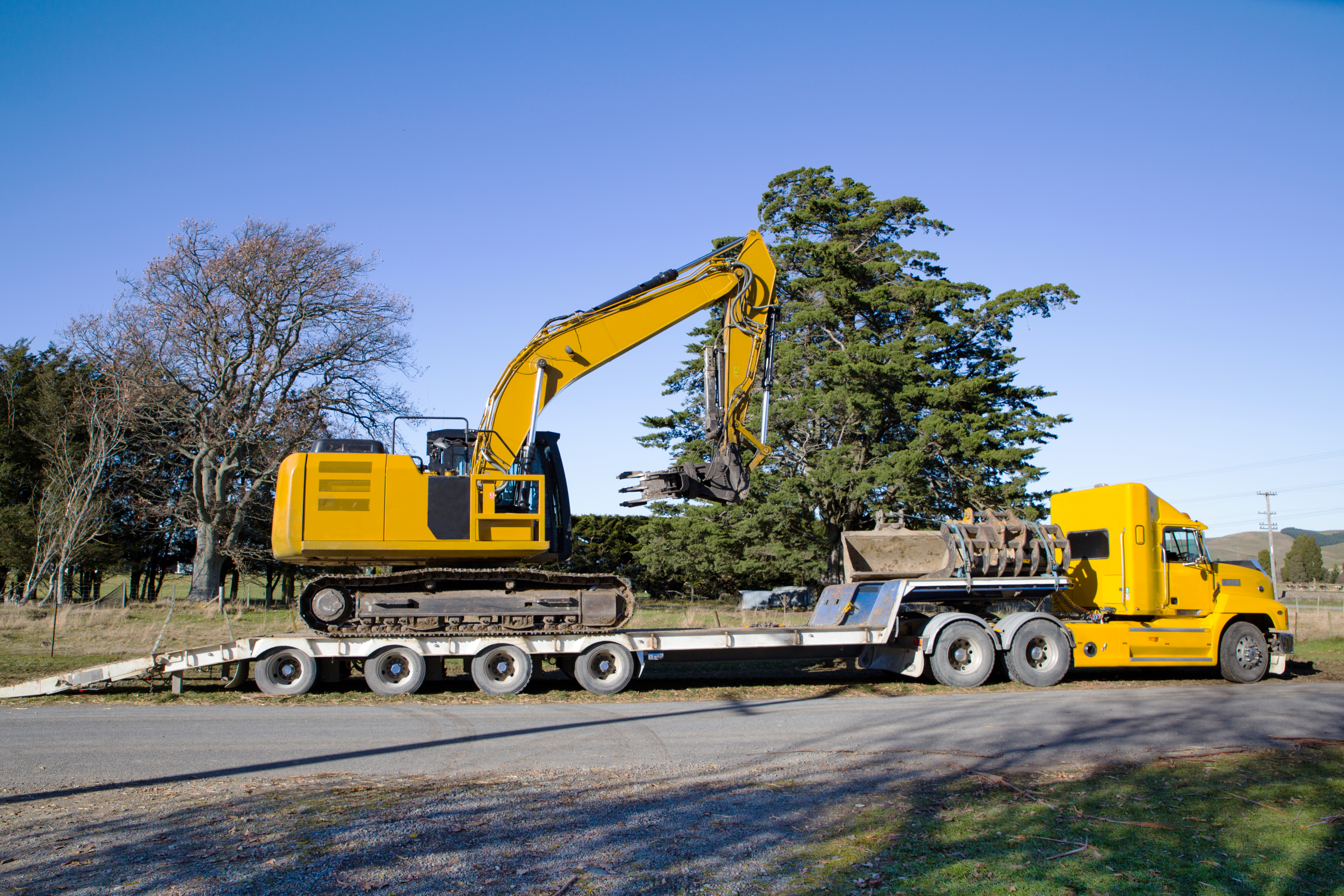
Report whether the machine starts, moves, steers and brakes. For a non-running unit, explain whether wheels or tracks move freely and identify locked brakes, damaged steering, flat tires, disabled hydraulics or missing keys. A trailer winch does not solve every loading problem.
Confirm a suitable loading and unloading method at both ends. Identify who supplies the operator, crane, suitably rated forklift, recovery assistance or rigging crew when needed. Highway transportation should not be assumed to include repairs, disassembly, unloading or installation.
Give the Carrier Useful Site Information
Provide the actual truck entrance, site contact, opening hours and appointment requirements. Send photos of narrow gates, tight turns, slopes, overhead obstructions and the loading area. The assigned equipment needs firm, suitable space to enter, load and leave.
Trailer selection follows the complete load, ground clearance, loading method and route. The carrier reviews loaded dimensions, axle distribution, securement and any applicable permit requirements. The shipper’s role is to provide accurate cargo and site information, rather than assume a particular trailer or permit outcome.
Confirm Readiness Before Dispatch
- The correct machine and every attachment are identified and available.
- Payment, auction release and pickup authorization are complete where required.
- Keys, operating instructions and an authorized site contact are ready.
- Loading and unloading providers know the equipment and appointment window.
- The receiver has space, staff and the agreed unloading resources.
- Any change in condition, dimensions or access has been reported.
Keep a Condition and Handoff Record
Retain the quote, approved equipment list, photographs and pickup condition record. At delivery, compare the machine and attachment inventory with that record before completing the handoff. Document new concerns and promptly request the carrier’s reporting instructions.
Pickup and delivery dates remain estimates unless a specific arrangement is confirmed in writing. Early preparation helps the coordinator resolve missing information; it does not eliminate weather, access or carrier delays.
Related reading: guide to safely loading and transporting heavy equipment. comprehensive overview on selecting reliable transport services. guide on choosing the right transport method.
Need help planning your shipment? Learn more about heavy equipment and specialized transport services, or request the appropriate transport quote.
Need Help Planning Your Transport?
Request a shipment-specific quote for heavy equipment, construction and agricultural machinery, commercial buses and fleets, generators or specialized equipment. Enclosed and standard vehicle shipping remain available.
For organizations moving buses, motorcoaches, commercial vans, or multiple fleet vehicles, see our commercial bus and fleet vehicle transport service.
Moving compact construction machinery? See our skid steer transport service for dimensions, trailer selection, attachments, access, and cost factors.
Preparing a backhoe for transport includes securing the rear boom and bucket, checking attachments, documenting condition, and confirming access. See the full backhoe transport service.