


Shipping a car in 2026 is easier when you understand the process before requesting quotes. The right transport method, accurate vehicle details, realistic scheduling expectations, and a properly verified company can make the difference between a well-coordinated shipment and a stressful experience.
This guide explains how nationwide vehicle transport works, what affects pricing, how open and enclosed carriers compare, what to prepare, and what to verify before booking.
How Car Shipping Works in 2026
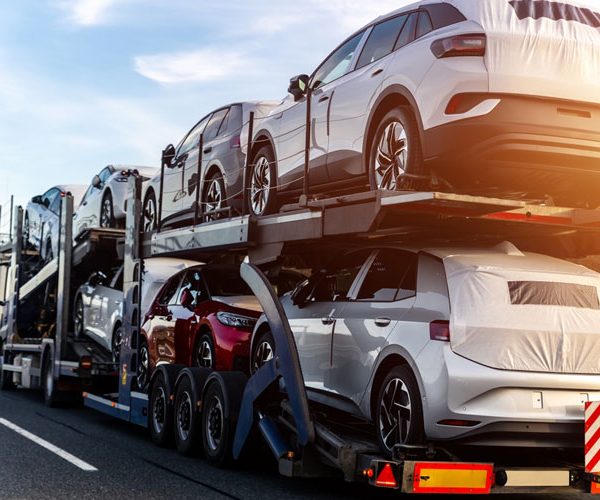
Most long-distance vehicle shipments move on multi-vehicle open carriers or enclosed trailers. A professional transportation company coordinates the shipment with a qualified motor carrier based on the route, vehicle, timing, equipment requirements, and available capacity.
- Request a quote: Provide the exact vehicle, condition, route, access information, and preferred pickup window.
- Review the terms: Confirm pricing, payment structure, cancellation provisions, estimated timing, and what is included.
- Carrier coordination: A suitable carrier is assigned based on the shipment requirements and route availability.
- Pickup inspection: The vehicle condition is documented on the bill of lading before loading.
- Transport: The carrier moves the vehicle along the planned route. Weather, traffic, mechanical issues, and other operating conditions can affect timing.
- Delivery inspection: Compare the vehicle with the pickup inspection before signing the final paperwork.
For a process overview, visit How Vehicle Transport Works.
Open vs. Enclosed Auto Transport
Open Auto Transport
Open auto transport is the most widely available option for standard cars, trucks, and SUVs. Vehicles are secured on an open carrier similar to those used for dealership deliveries. Open transport generally provides broad route availability and competitive pricing.
Enclosed Auto Transport
Enclosed auto transport protects vehicles from direct exposure to road debris and weather. It is commonly selected for exotic, classic, collector, custom, rare, or high-value vehicles. Enclosed equipment is less common, so availability and pricing can differ from open transport.
| Consideration | Open Transport | Enclosed Transport |
|---|---|---|
| Best suited for | Standard daily-use vehicles | High-value and specialty vehicles |
| Carrier availability | Generally broader | More limited by route |
| Road exposure | Exposed to weather and normal road conditions | Protected from direct exposure |
| Typical pricing | Usually lower | Usually higher |
What Affects the Cost to Ship a Car?
No single rate applies to every shipment. Pricing changes with the route and market conditions. Important factors include:
- Pickup and delivery locations
- Total mileage and carrier traffic on the route
- Vehicle size, weight, ground clearance, and modifications
- Running or non-running condition
- Open or enclosed equipment
- Seasonal demand and weather
- Fuel, tolls, and operating costs
- Pickup flexibility and carrier availability
- Access restrictions at either location
Rural or difficult backhaul areas can cost more than major metropolitan routes, even when the mileage is similar. Extremely low quotes may not reflect the rate needed to secure a qualified carrier.
How Long Does Car Shipping Take?
Pickup and delivery dates are estimates. A carrier can encounter weather, traffic, inspections, customer delays, equipment problems, road closures, or changes involving other vehicles on the trailer. Long routes require compliance with federal hours-of-service rules.
Give the transport company a realistic pickup window and explain any hard restrictions before booking. If you need more detail, read the car shipping time-frame guide.
Pickup and Delivery Access
The carrier will get as close to the requested locations as safely and legally possible. Large transport trucks may be unable to enter neighborhoods with narrow streets, low branches, weight restrictions, sharp turns, gated access, or limited room to load. In those situations, the driver and customer coordinate a nearby accessible meeting location such as a wide commercial street or large parking area.
How to Prepare Your Vehicle
- Wash the vehicle enough to document its current condition.
- Take clear, dated photographs from every side.
- Remove valuables, toll tags, loose accessories, and unsupported exterior items.
- Keep fuel low unless the carrier provides different instructions.
- Check for fluid leaks and disclose mechanical problems.
- Make sure the tires are inflated and the battery can start the vehicle.
- Disable alarms and provide a working key.
- Confirm that the pickup and delivery locations have suitable access.
Use the full car-shipping preparation checklist before pickup.
Personal Property Inside the Vehicle
Personal items are not insured as part of the vehicle cargo. Remove valuables, important documents, electronics, medication, weapons, cash, and irreplaceable property. Any limited courtesy allowance must be confirmed in writing and kept within the carrier requirements.
Insurance and the Bill of Lading
Ask how carrier insurance is verified and what exclusions may apply. The bill of lading documents vehicle condition at pickup and delivery. Inspect carefully before signing, and record any new concern on the delivery paperwork before the carrier leaves.
Learn more in the vehicle shipping insurance guide.
How to Verify an Auto Transport Company
- Confirm federal operating authority and company identity.
- Review recent customer feedback across multiple sources.
- Read the order form and cancellation policy before signing.
- Understand the company’s role and which licensed motor carrier will physically transport the vehicle.
- Request clear payment terms and written pricing.
- Be cautious with unusually low estimates or high-pressure sales tactics.
- Do not rely on verbal promises that conflict with the written agreement.
See five mistakes to avoid when choosing an auto transport company.
Shipping to Hawaii
Hawaii shipments involve specialized port, sailing, documentation, and inland coordination. These moves should not be treated like a standard mainland route. Review our dedicated Hawaii vehicle shipping page for current requirements.
Questions to Ask Before Booking
- Are pickup and delivery dates estimates?
- Is the quote for open or enclosed transport?
- What can cause the price to change?
- How is the carrier and insurance verified?
- What payment is due to the transportation company and the motor carrier?
- What is the cancellation policy?
- What access is required at pickup and delivery?
- How should a non-running vehicle be disclosed?
- What must be recorded on the bill of lading?
Car Shipping FAQs
Is open auto transport safe?
Open carriers transport most new and used vehicles in the United States. Proper loading, securement, inspection, and carrier verification are essential. Enclosed transport is available when additional protection from direct road and weather exposure is preferred.
Can a non-running car be shipped?
Many non-running vehicles can be transported when the condition is disclosed in advance and the correct loading equipment is available. A vehicle that does not roll, steer, or brake may require additional equipment and planning.
Are pickup and delivery dates guaranteed?
No. Dates and times are estimates because transport schedules can change due to weather, traffic, equipment, route conditions, and federal driving limits.
How far in advance should I book?
More notice generally provides more scheduling flexibility. Seasonal demand, remote routes, enclosed equipment, and non-running vehicles can require additional planning time.
Can the carrier enter my neighborhood?
Only when access is safe and legal. The driver may request a nearby meeting location if the transport truck cannot safely enter or maneuver at the requested address.
Request a 2026 Vehicle Transport Quote
Elevation Transport Services coordinates nationwide auto transport services for standard, luxury, collector, dealer, private-party, relocation, and Hawaii shipments. Submit the exact vehicle and route details through the vehicle transport quote form or call (800) 251-9024.