


Heavy Equipment Transport & Heavy Haul Coordination
Nationwide planning for construction machinery, agricultural equipment, specialized trailers, and oversize loads.
Built for Commercial Equipment Moves
We coordinate equipment transportation for organizations that need load-specific planning, qualified capacity, clear communication, and practical jobsite access review.
Equipment Dealers
Rental Companies
Construction Contractors
Manufacturers
Farms & Agricultural Operations
Utilities & Industrial Facilities
Auction Buyers
Commercial Equipment Owners
Start With the Equipment, Not a Generic Freight Quote
Different machines create different loading, trailer, access, and route requirements. Choose the planning path that best matches the equipment you need to move.
Construction Equipment
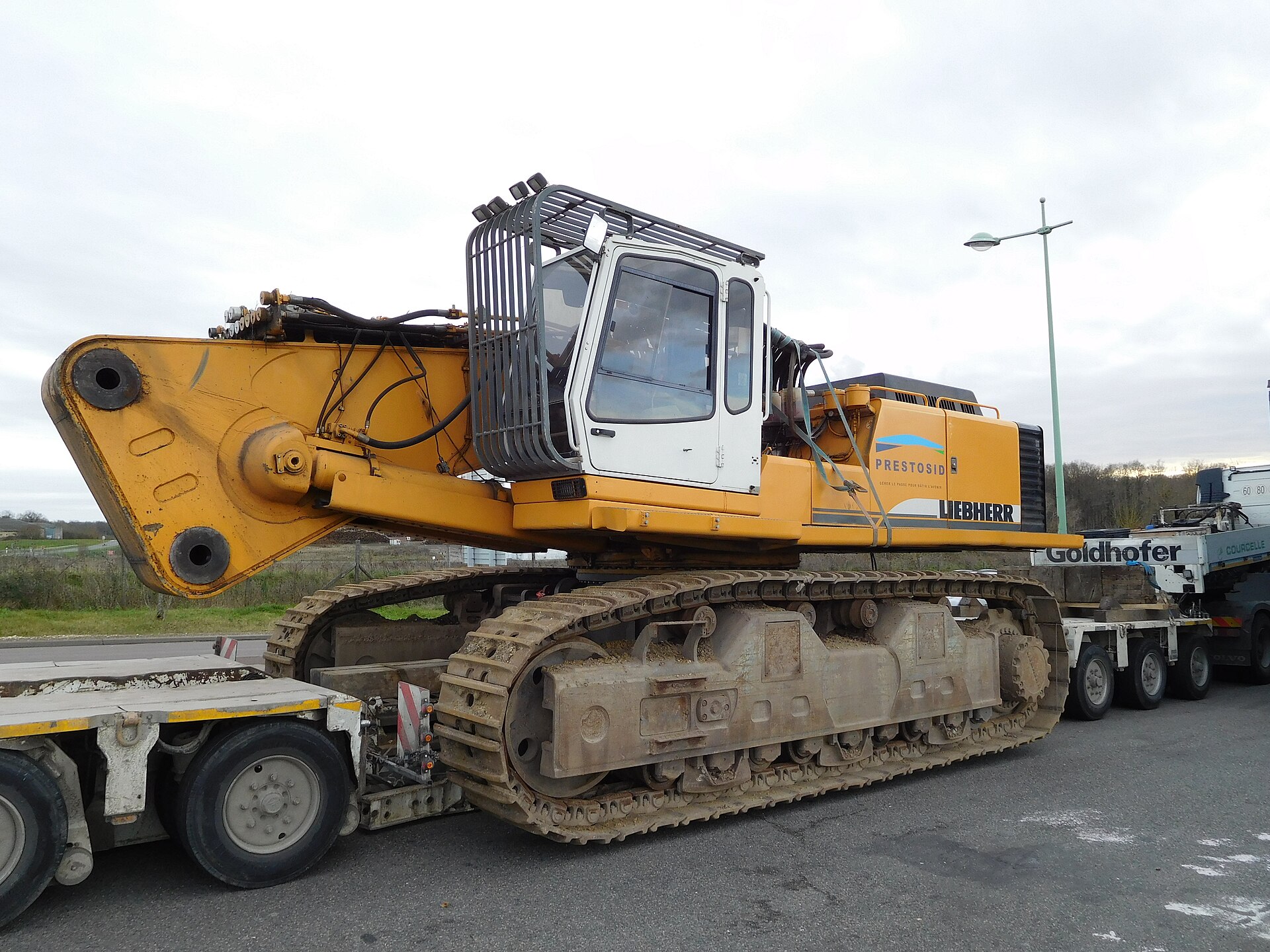
Excavators, dozers, loaders, graders, pavers, lifts, and other jobsite machinery.
Explore construction equipment transport →
Agricultural Equipment
Tractors, combines, sprayers, harvesters, implements, and farm machinery.
Explore agricultural equipment transport →
Oversize and Heavy Haul
Moves requiring closer review of loaded dimensions, route restrictions, permits, or trailer configuration.
Transport Built Around the Machine, Route, and Jobsite
Heavy equipment transport is not a one-size-fits-all shipment. Trailer selection, loading method, machine dimensions, weight, attachments, route restrictions, pickup access, and delivery access all affect how the move should be planned.
Elevation Transport Services coordinates each shipment around the actual equipment and operating conditions. The process begins with accurate load information, then moves through equipment selection, carrier review, route and access planning, scheduling, and delivery coordination.
This service is designed for contractors, equipment dealers, rental companies, manufacturers, farms, utilities, industrial facilities, commercial operators, and private owners moving machinery between yards, commercial facilities, dealerships, projects, plants, and jobsites.
Equipment We Commonly Coordinate
Trailer and Loading Requirements
The correct trailer depends on the machine’s height, width, length, weight, ground clearance, operating condition, attachments, and loading environment. The guide below shows common planning scenarios, not guaranteed trailer assignments.
| Equipment or Load Profile | Common Trailer Options | Key Planning Factors |
|---|---|---|
| Tall, heavy, tracked, or self-propelled machinery | RGN or lowboy | Loaded height, weight, ground clearance, loading angle |
| Equipment needing additional deck-height clearance | Step deck | Overall height, length, axle position, legal dimensions |
| Legal-size machinery and materials | Flatbed | Deck fit, securement points, loading method |
| Compact or lighter equipment | Hotshot or smaller equipment trailer | Weight, dimensions, route, loading access |
| Loads needing added weather protection when dimensions permit | Conestoga or covered equipment | Width, height, loading method, availability |
Non-running equipment may require a winch, crane, forklift, loading dock, tow assistance, or another site-specific loading plan. Actual trailer selection is confirmed only after the machine and route are reviewed.
Oversize Loads, Permits, and Route Planning
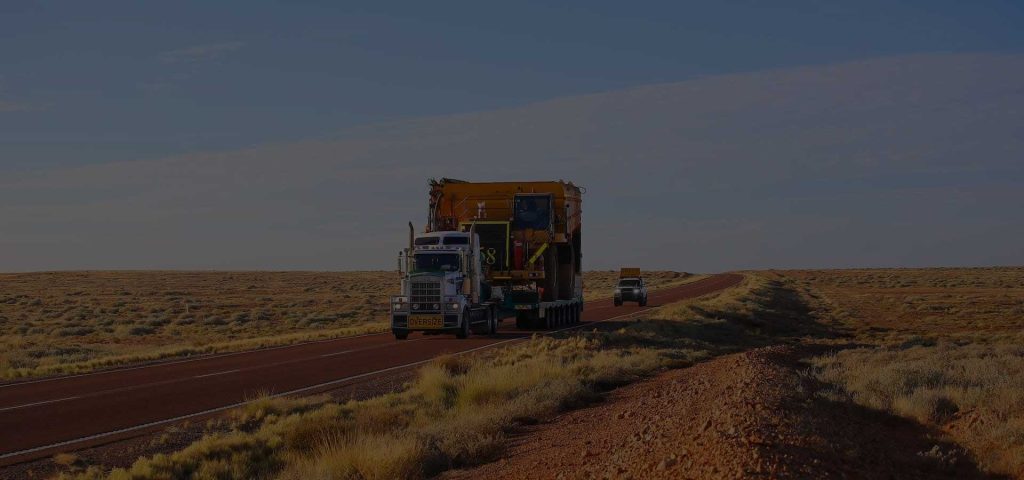
Loads exceeding legal width, height, length, or weight limits may require state permits, restricted travel windows, pilot cars, route surveys, signs, flags, lighting, or other support.
Permit and escort requirements vary by state and by the exact loaded dimensions. Accurate measurements are essential because the machine’s specifications can change once buckets, booms, blades, tires, counterweights, or other attachments are included.
Route planning may also account for bridge clearances, overhead wires, construction zones, seasonal restrictions, roadway weight limits, curfews, and safe places to enter or exit the pickup and delivery locations.
Information Needed for an Accurate Heavy Haul Quote
- Year, make, model, and equipment type
- Exact length, width, height, and weight
- Operating or non-operating condition
- Ground clearance and loading limitations
- Attachments included with the machine
- Clear photos from multiple angles
- Pickup and delivery addresses or nearest cities
- Site contacts and operating hours
- Loading and unloading equipment available
- Surface conditions, gates, turns, and overhead restrictions
- Preferred pickup window and required delivery timing
- Any known permit, escort, or access requirements
Incomplete dimensions or inaccurate weight can lead to the wrong trailer, permit changes, scheduling delays, or revised pricing. Manufacturer specifications are helpful, but actual measurements are recommended when equipment has been modified or includes attachments.
What Affects Heavy Equipment Transport Cost?
Preparing Equipment for Pickup
- Confirm the machine starts, steers, brakes, and travels as represented.
- Remove loose tools, debris, and personal property.
- Secure or remove buckets, blades, booms, mirrors, antennas, and detachable parts as required.
- Check for fluid leaks and disclose mechanical problems before dispatch.
- Reduce fuel to a safe working level unless the loading plan requires otherwise.
- Provide keys, manuals, remote controls, and operating instructions.
- Photograph the equipment before loading and document existing damage.
Pickup and Delivery Access
Heavy haul equipment needs room to enter, position, load, secure, unload, and leave safely. A location that works for a pickup truck may not work for a tractor and lowboy combination.
Before pickup, confirm gate widths, turning radius, overhead clearance, road surface, weight limits, loading hours, security procedures, and whether the site has a dock, ramp, crane, forklift, or operator available.
If the requested address cannot safely accommodate the transport equipment, a nearby equipment yard, dealership, commercial facility, truck stop, or other approved meeting location may be needed.
How Heavy Equipment Transport Works
Who We Serve
Equipment dealers, rental companies, construction contractors, manufacturers, agricultural operations, utilities, fleet managers, commercial facilities, forestry and mining-support operations, auction buyers, and private equipment owners. Each move is planned around the actual machine, route, loading environment, and delivery requirements.
Experienced Heavy Equipment Transport Coordination
Elevation Transport Services brings more than 16 years of transportation-industry experience to equipment moves across the continental United States. Contractors, dealers, rental companies, farms, commercial operators, and private equipment owners receive one coordinated point of contact from initial load review through delivery confirmation.
Each move is evaluated around the actual machine, trailer requirements, carrier qualifications, route, site access, and timing rather than treated like ordinary vehicle shipping.
Heavy Equipment Transport FAQs
What types of heavy equipment can you transport?
We coordinate excavators, bulldozers, loaders, skid steers, backhoes, tractors, combines, lifts, generators, industrial machinery, cranes, forestry equipment, and other specialized loads. Final acceptance depends on dimensions, weight, route, loading conditions, and carrier capacity.
How do I know which trailer my equipment needs?
Trailer selection is based on the machine’s actual length, width, height, weight, ground clearance, operating condition, attachments, and loading site. RGN, lowboy, step-deck, flatbed, hotshot, and other equipment may be evaluated.
Can you move non-running equipment?
Non-running equipment may be transportable when the loading and unloading method is planned in advance. A winch, crane, forklift, tow unit, loading dock, or other assistance may be required.
Are permits and pilot cars included in the quote?
When permits, escorts, route surveys, or related support are required, those items are evaluated as part of the transport plan. Requirements depend on the loaded dimensions, weight, states traveled, and route restrictions.
How long does heavy equipment transport take?
Timing depends on distance, trailer and carrier availability, permits, route restrictions, weather, site access, and loading readiness. Pickup and delivery dates are estimates unless a specific arrangement is confirmed in writing.
Is heavy equipment insured during transport?
The assigned motor carrier is required to maintain applicable insurance. Carrier documents and cargo coverage should be reviewed before pickup, and the equipment’s condition should be documented at pickup and delivery.
Request a Heavy Equipment Transport Quote
Send the equipment year, make, model, dimensions, weight, condition, photos, route, and preferred timing.
The more complete the load information, the more accurately trailer, permit, access, and pricing requirements can be evaluated.
Plan Your Specialized Transport
Fast. Free. No obligation.
(800) 251-9024Quote request received.
Our transport team will review your project details and contact you shortly.
Call (800) 251-9024Planning a crane mobilization or component move? Our crane component transport guide covers boom sections, counterweights, trailer selection, permits, loading, and multi-load delivery sequencing.
Explore state-specific planning for machinery, trailer selection, route access, weather and major equipment markets. Each state page also connects to our commercial fleet and enclosed high-value transport services. Tell us what you are moving, where it is located, where it needs to go, and your preferred timing.Heavy Equipment Transport Service Areas
Ready to Schedule Your Transport?
Moving compact construction machinery? See our skid steer transport guide for dimensions, trailer selection, attachments, access, and cost factors.
Planning a backhoe move? See our backhoe transport guide for trailer selection, boom and bucket positioning, loading access, dimensions, and cost factors.
For manufacturer-specific planning, see our John Deere Equipment Transport guide for excavators, dozers, loaders, tractors, combines and other Deere machinery.
For manufacturer-specific planning, review our Caterpillar, John Deere, Kubota, Komatsu, JCB, Bobcat, CASE Construction, Takeuchi, New Holland Construction, Volvo Construction Equipment, and Yanmar Compact Equipment transport guides. Each guide connects machine type, dimensions, attachments, trailer selection and loading considerations to the appropriate heavy-equipment service.Equipment Manufacturer Transport Guides