
CASE equipment transport is coordinated around the machine’s shipping configuration, attachments, loading access and route. Elevation Transport Services reviews each unit before matching it to trailer capacity, including dealer transfers, customer deliveries and multi-machine moves.
Elevation Transport Services coordinates nationwide equipment transportation for construction companies, dealers, rental fleets, contractors and commercial operators. CASE is a trademark of CASE Construction Equipment/CNH; Elevation Transport Services is an independent transport company and is not affiliated with or endorsed by CASE or CNH.
What Is the Best Transport Plan for CASE Construction Equipment?
CASE equipment should be matched to transport capacity using the real shipping position of the machine. Backhoe loaders, excavators, dozers, compact track loaders, skid steers, wheel loaders, and graders can change profile depending on boom position, outriggers, blades, buckets, tires, tracks, or other attachments.
Elevation Transport Services reviews the exact model, dimensions, weight, attachment package, operating condition, loading method, and route before coordinating transport. That information determines whether the move fits a legal-load setup or needs lower-deck equipment, permits, or additional loading support.
CASE Equipment We Coordinate
CASE’s current North American product range includes backhoe loaders, compact dozer loaders, compact track loaders, dozers, excavators, forklifts, motor graders, skid-steer loaders, small articulated loaders, tractor loaders and wheel loaders. Trailer selection depends on the exact unit and shipping configuration.
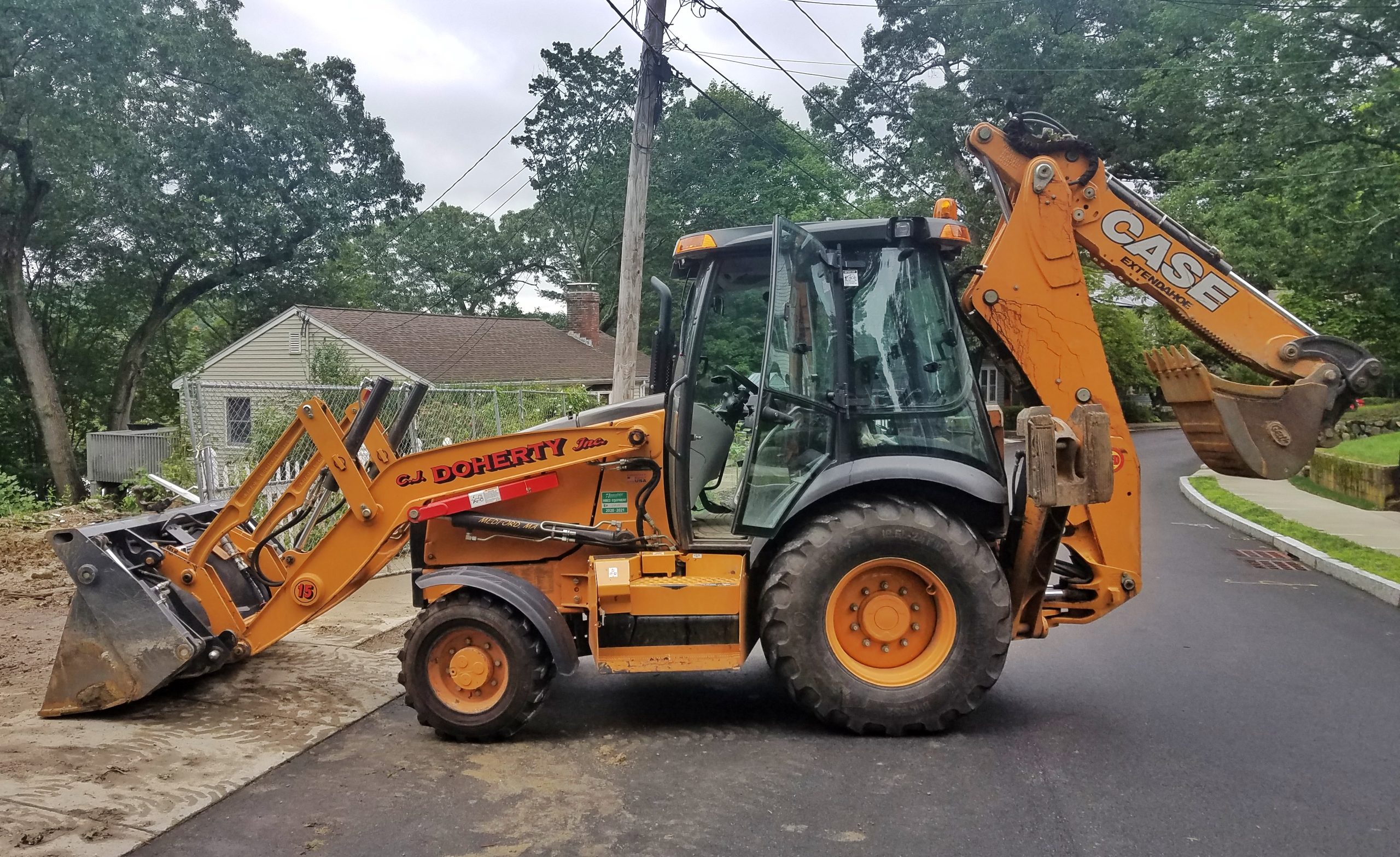
CASE Backhoe Loader Transport
Backhoes require measurements that include loader bucket position, backhoe boom and bucket position, outriggers, cab height, tires and any installed attachments. Overall length and rear overhang should be confirmed before dispatch.
See our backhoe transport service for trailer, loading and dimension considerations.
CASE Excavator Transport
Mini, midi, crawler, wheeled and specialty excavators can require very different transport configurations. Boom, stick, bucket, counterweight, tracks, blade and ground clearance should be measured in the intended shipping position.
Review our Excavator Transport Service guide.
CASE Dozer and Compact Dozer Loader Transport
Dozer transport depends heavily on blade width, track width, ripper or rear equipment, operating weight and overall height. Larger units may require lowboy or RGN equipment and permit review when loaded dimensions exceed legal limits.
See our Bulldozer Transport guide.
CASE Compact Track Loader and Skid Steer Transport
Compact loaders are relatively small but can carry substantial weight for their footprint. Attachments, high-flow packages, tracks or tires and loading access should be identified before assigning a trailer.
Our skid steer transport service covers compact loader planning in more detail.
CASE Wheel Loader Transport
Wheel loader shipping should account for bucket width, tire width, articulation, cab height and operating weight. Larger loaders may require specialized lower-deck trailers or additional axle capacity.
See our wheel loader transport service.
Trailer Selection for CASE Equipment
- Step deck: May fit legal-size compact machinery when loaded height and weight remain within limits.
- Lowboy: Commonly considered for heavier construction equipment that benefits from lower deck height.
- RGN: Useful for self-propelled machines that can load from ground level.
- Multi-axle configurations: May be needed for larger excavators, dozers or wheel loaders with high operating weights.
Information Needed for a CASE Equipment Quote
- Year and exact CASE model
- Overall length, width and height
- Verified weight in the actual shipping configuration, with installed and separate attachments identified; label any initial estimate
- Blade, bucket, forks, ripper or other attachments
- Running or non-running condition
- Pickup and delivery locations
- Loading and unloading resources
- Photos and release information
Dealer and Contractor Fleet Moves
CASE equipment often moves between dealers, rental branches, jobsites, municipal yards, commercial facilities and contractors. For multiple machines, provide a complete equipment list so models, release numbers, dimensions and routes can be reviewed together.
What Affects CASE Equipment Transport Cost?
Distance, equipment dimensions, weight, trailer type, permits, loading method, attachments, carrier availability and site access all influence price. Non-running units can require additional loading support, and rural or restricted locations may reduce available carrier options.
For broader pricing factors, see our Heavy Equipment Transport Cost guide.
Request a CASE Construction Equipment Transport Quote
Shipping CASE equipment? Use our transport quote request to send the completed equipment list and photos for a shipment-specific review.
Start with our Heavy Equipment Transport or Construction Equipment Transport service pages.