Preparing a collector vehicle for enclosed transportation is less about routine car shipping and more about giving the assigned carrier a precise operating and condition record. Low clearance, battery cutoffs, unfamiliar starting procedures, removable accessories and restricted pickup access can all affect loading. The checklist below helps owners, dealers and collectors prepare the vehicle without making assumptions about the equipment that will be assigned.
Start With the Information Needed to Plan the Move
Before scheduling, provide the year, make, model, pickup and delivery ZIP codes, operating condition and preferred timing. Tell the transport coordinator whether the vehicle starts, moves, steers and brakes under its own power. Disclose modifications that can change loading, including lowered suspension, front splitters, side skirts, oversized wheels, air suspension or a long front overhang.
For unusual, rare or modified vehicles, share clear photos from the front, rear, both sides and each corner. A side-profile photo taken on level ground can help explain ride height and overhang better than a written description alone.
Create a Detailed Condition Record
Wash the exterior enough that paint, glass, wheels and trim are visible. Photograph each panel in good light and record existing chips, scratches, cracks, loose trim, fluid seepage or mechanical concerns. Include close-up photos of any pre-existing damage and keep the original time-stamped files.
This record supports the pickup inspection. Review the vehicle with the driver before loading and make sure the condition report reflects what both parties can see. Keep your copy of the inspection documentation through delivery.
Measure Ground Clearance and Identify Contact Points
Measure the lowest fixed point at the front, center and rear of the vehicle. The front splitter is not always the lowest component; exhaust parts, suspension components or side skirts may sit closer to the ground. If the vehicle uses adjustable air suspension, provide the normal loading position and any instructions needed to maintain it.
Do not assume that every enclosed trailer has the same door height, ramp length or loading angle. Accurate clearance information lets the transport coordinator evaluate the vehicle against the equipment available for the route.
Confirm the Vehicle Can Be Safely Operated
Check that the battery is charged, the tires hold air and the parking brake releases. Disclose leaks, intermittent starting, weak batteries, overheating, steering limitations or brake concerns before pickup. A vehicle that is listed as operable but cannot be driven at pickup may require different loading equipment or a revised plan.
Provide working keys for the ignition, doors, trunk and battery or fuel cutoff when applicable. If the vehicle has a manual transmission, unusual shift pattern, carburetor starting procedure, immobilizer, hidden cutoff, alarm or aftermarket electronics, prepare short written instructions.
Remove Personal Property and Secure Accessories
Remove personal items, display materials and loose objects from the passenger compartment and trunk unless the assigned carrier has expressly approved them. Secure or remove detachable spoilers, antennas, mirror covers, removable roof panels and other accessories that could move in transit. Confirm that convertible tops, windows, doors, hood and trunk latch correctly.
Do not disconnect the battery, change suspension settings or cover the vehicle unless the assigned carrier specifically instructs you to do so. Those choices depend on the vehicle and loading process.
Plan Pickup and Delivery Access
Enclosed transport equipment needs adequate space to approach, stage and load. Before pickup, identify gates, low branches, narrow streets, steep driveways, restricted hours, residential rules or other access limitations. If the property cannot safely accommodate the equipment, arrange a nearby meeting point that is legal, level and suitable for loading.
Provide a reachable contact at both ends of the move. Dealers, museums, storage facilities and private collections should also confirm release requirements, appointment windows and any identification needed before the vehicle can leave the property.
Use a Simple Day-of-Pickup Checklist
- Vehicle condition photographed in good light
- Clearance and modification details already disclosed
- Battery charged and tires properly inflated
- Loose items removed and accessories secured
- Keys and special operating instructions ready
- Alarm, immobilizer and cutoff instructions documented
- Pickup contact, access plan and release paperwork confirmed
- Condition report reviewed before loading
Request Enclosed Transport for a Collector Vehicle
Learn how Elevation Transport Services coordinates nationwide enclosed auto transport and review the classic and collector vehicle transport service. For additional planning considerations, see the high-value vehicle shipping guide.
When you are ready, use the vehicle transport quote form and include the vehicle, route, condition, clearance and access details so the shipment can be evaluated accurately.
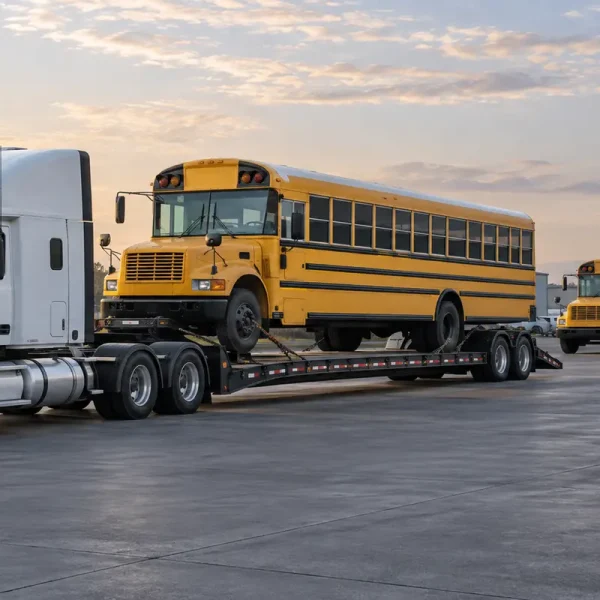
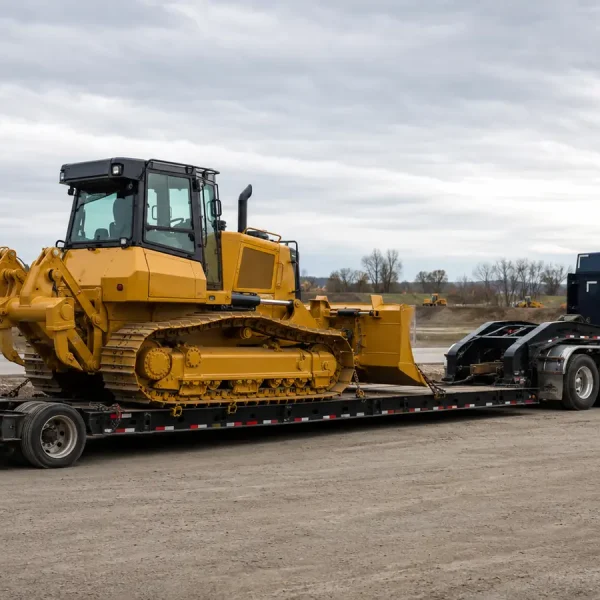
Moving equipment or a commercial fleet? The car-shipping guidance above applies to vehicles. For machinery, construction equipment, generators or multi-unit commercial moves, explore our heavy equipment and heavy haul transport and commercial bus and fleet transport services so the load can be reviewed on its own requirements.