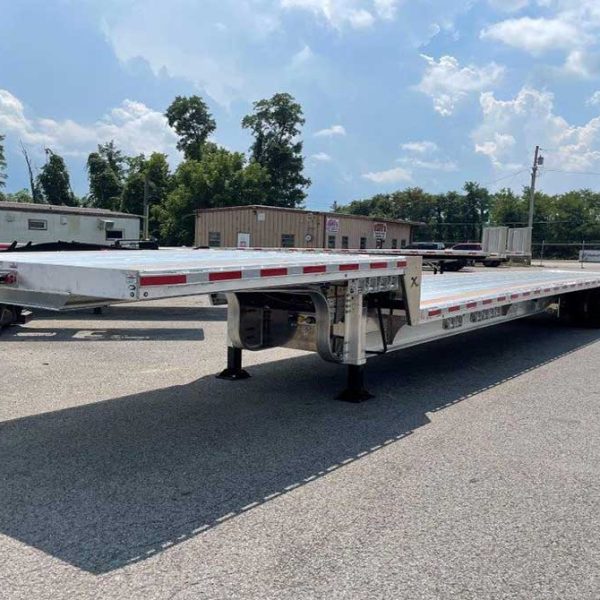
Gated community car shipping works best when the pickup or delivery location is settled before the carrier arrives. A resident may have permission to admit a truck, yet the entrance, turns or unloading area may still be unsuitable for that truck and trailer. Confirm both access permission and a workable loading plan.
This checklist supports nationwide auto transport for everyday cars, SUVs and pickup trucks, as well as vehicles needing enclosed service. It helps you give the transport coordinator useful details and arrange a backup meeting place when the carrier cannot reach your address.
Ask the property manager about the actual truck visit
Tell the association, security office or property manager that a vehicle transporter may be coming. Permission for a moving van or parcel delivery does not establish permission for every transport configuration. Ask these questions before the pickup window:
- Are vehicle carriers allowed, and is there a designated service entrance?
- Are there delivery hours, advance registration requirements or restrictions on truck size?
- Does the driver need a resident escort, gate code, identification or a vehicle pass?
- Where can the truck stop and load or unload without blocking a gate, emergency access or through traffic?
- Who can resolve an access issue if the driver arrives when the management office is closed?
Send the confirmed instructions to your coordinator. Share private gate codes directly with the people handling the move; do not put them in a public review or social media message.
Let the carrier assess physical access
The carrier needs to evaluate the approach, entrance and exit for the equipment actually assigned. A wide gate alone does not answer whether the truck can make the next turn, clear low branches or position its loading ramps.
Provide photographs of the entrance and proposed loading area when requested, along with known overhead obstructions, tight turns, steep transitions and posted restrictions. Report a lowered car, lift kit, oversized tires or a vehicle that cannot drive normally. These details can affect the loading arrangement even when the neighborhood itself is accessible.
A previous delivery by a different truck is useful background, but it is not confirmation that the assigned carrier can use the same spot. The driver should confirm a safe, permitted location for that particular visit.
Agree on a backup meeting location
When access is restricted, door-to-door service may require meeting the carrier at a nearby suitable location. The location should be agreed with the coordinator and driver. Do not assume that an apparently empty shopping-center lot or roadside shoulder is available for commercial loading.
A workable alternative needs permission where required, room for the truck to enter and leave, sufficient space for the loading equipment, and a safe place for you to wait and inspect the car. Confirm the exact entrance or meeting point, since a street address alone can send the driver to the wrong side of a large property.
Ask how you will get between the meeting point and your home. If someone else will help, give them the confirmed plan. Avoid leaving the vehicle unattended at an unapproved location while waiting for the truck.
Keep the handoff separate from your travel itinerary
Your flight arrival, gate hours and vehicle delivery window are separate arrangements. Pickup and delivery dates are estimates, and timing can change. Tell the coordinator about a narrow availability window before booking so it can be considered in the transport plan.
If you will be away, ask whether a named, authorized representative can release or receive the vehicle. Confirm what that person must do: provide access or keys, inspect the vehicle, review the condition record and handle any agreed delivery payment arrangements. A guard who lets a truck through the gate is not automatically authorized to accept the car for you.
For seasonal moves, connect the delivery arrangements with your snowbird car-shipping plan before you leave.
Give everyone one confirmed contact sheet
A short written handoff reduces conflicting instructions. Include:
- The shipment reference and the vehicle’s year, make and model.
- The requested address and approved service entrance.
- The backup meeting location, including the exact entrance.
- The sender or receiver’s name and reachable phone number.
- Gate hours and the property contact who approved access.
- Known vehicle modifications or operating problems.
Confirm changes with the coordinator rather than sending different instructions separately to the driver, security office and receiver. If the vehicle or meeting location changes, ask whether the timing, loading method or written quote needs to be reviewed.
Inspect the vehicle at the agreed location
Before pickup, photograph the vehicle’s visible condition and review the pickup record. At delivery, inspect it again and record any visible concerns before completing the handoff. Allow time and space for that inspection; a blocked gate or a hurried roadside stop is a poor setting for it.
Use the existing car-shipping preparation guide for the broader vehicle checklist. If the car needs less exposure during travel, discuss enclosed auto transport; enclosed service still requires suitable pickup and delivery access.
Plan your pickup or delivery with ETS
Tell Elevation Transport Services where the car is going, whether either address is gated, the vehicle’s condition and your availability. Include known access restrictions when you request an auto transport quote. You can also call (800) 251-9024, Monday–Saturday, 9:00 a.m.–9:00 p.m. Eastern.