Corporate auto transport helps businesses relocate employee vehicles, reassign fleet units and move cars between offices, dealers or storage locations. A useful plan identifies each vehicle, the people responsible at both ends and the dates when the vehicles need to be available.
What Information Does a Fleet Relocation Quote Need?
Prepare a list of each vehicle’s year, make, model, operating condition and modifications. Include pickup and delivery addresses, site contacts, receiving hours and preferred windows. Tell the coordinator whether vehicles share one route or need separate destinations.
A complete list helps determine whether units can be scheduled together. It does not mean every vehicle will fit on one carrier or arrive at the same time.
Should Company Vehicles Travel Open or Enclosed?
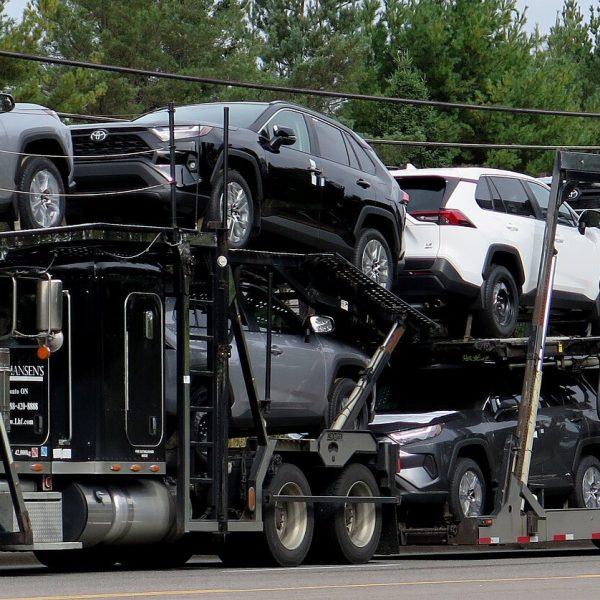
Open auto transport is commonly considered for everyday company cars and light vehicles. Enclosed transport reduces outside exposure and may suit collector or high-value executive vehicles. Confirm the proposed trailer, loading requirements and any special handling before booking.
Commercial buses and larger fleet vehicles need their own dimensions, weights and access review. Use our commercial bus and fleet transport service for those moves.
How Can a Business Reduce Disruption?
Consider staggered pickups if the business needs some vehicles to remain in service. Coordinate keys, release authority, parking and receiving staff in advance. Share any lease-return or facility deadline early, and distinguish requested dates from confirmed arrangements.
Include temporary transportation and staff handover time in the relocation plan. Shipping avoids the driving assignment for employees, but the total cost and schedule still need to be compared with the alternatives.
How Should Fleet Transport Quotes Be Compared?
- Give each provider the same vehicle list and condition details.
- Compare equivalent pickup windows, routes and carrier types.
- Confirm loading, unloading, access and storage responsibilities.
- Review payment terms, possible additional charges and applicable carrier coverage.
- Agree on inspection records and who can sign at each location.
Do not assume a volume discount, dedicated account manager or priority schedule is included. Ask which arrangements are available for the actual shipment.
How Will the Business Receive Updates?
Agree on one primary contact and a practical update method. Phone, email and tracking availability vary by arrangement; continuous GPS access should be confirmed rather than assumed. Provide a backup contact for release or receiving problems.
Plan Corporate Vehicle Transport With Elevation Transport Services
Send your vehicle list, routes, operating conditions and preferred timing. Elevation Transport Services can review the proposed move and provide a tailored quote. Request a vehicle transport quote to start planning.
How Should a Company Plan a Fleet Relocation?
Fleet relocation should be planned as a coordinated project, not a series of unrelated car shipments. The unit list, running condition, dimensions, origin and destination locations, release requirements, operating hours, sequencing, and business continuity needs should be organized before capacity is assigned.
Need Help Planning Your Transport?
Request a shipment-specific quote for heavy equipment, construction and agricultural machinery, commercial buses and fleets, generators or specialized equipment. Enclosed and standard vehicle shipping remain available.
For organizations moving buses, motorcoaches, commercial vans, or multiple fleet vehicles, see our commercial bus and fleet vehicle transport service.
For larger commercial relocations, use our Multi-Vehicle Fleet Transport service. Commercial van groups can also be planned through Commercial Van & Cargo Van Transport.