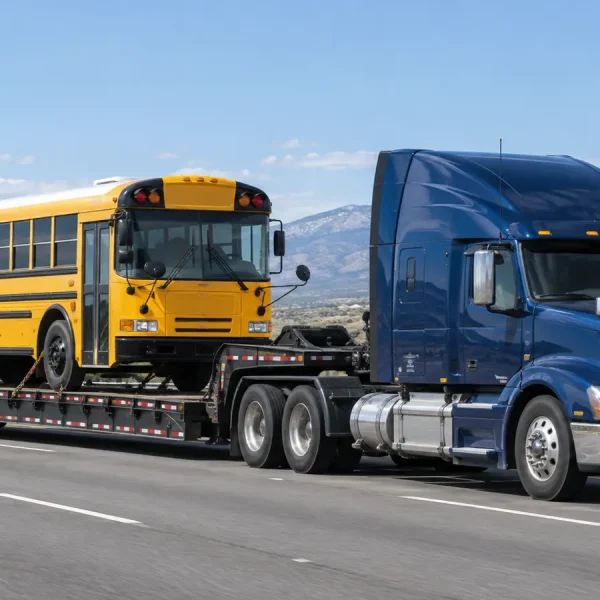
Dealership car transport connects inventory purchases, branch transfers, trade-ins and sold-vehicle deliveries. The move works best when the dealer identifies the correct unit, completes its release requirements and gives the receiving location a realistic arrival plan. Transport alone does not certify that a vehicle is ready for sale or service.
Prepare One Record for Every Vehicle
List the VIN, stock number, year, make, model, current location, destination and operating condition. Identify modifications, low clearance and any inability to start, roll, steer or brake. For a group, record each vehicle separately rather than assuming identical condition.
Complete the Release Before Dispatch
Confirm payment clearance, release authorization, keys, appointment rules and the contact who can hand over the vehicle. Explain auction removal deadlines, storage charges or restricted lot hours before pickup is arranged. Stage the correct unit where the assigned carrier can reach it.
Match the Carrier to the Inventory
Open transport can suit standard inventory; enclosed transport offers a covered environment for high-value, collector or sensitive-finish vehicles. Trailer capacity depends on the actual dimensions, weights and loading plan, not one universal vehicle count.
Disclose electric or alternative-fuel vehicles, manufacturer handling instructions and any loading restrictions. An electric powertrain alone does not establish that enclosed service is required. Review the vehicle’s condition, value and handling needs.
Coordinate Batches and Receiving Capacity
Group vehicles by readiness, route and compatible equipment. Separate units awaiting paperwork or repair so they do not silently determine the schedule for the whole group. One project can involve several trucks and different arrival windows.
Confirm unloading space, receiving hours and staff before dispatch. Share sales or operational deadlines early, while keeping pickup and delivery dates estimated unless a specific arrangement is confirmed in writing.
Agree on Price, Updates and Exceptions
Review the included units, stops, transport method, payment schedule and change terms. Any volume rate should be confirmed for the defined project. Name the person who can approve a revised vehicle list, location or price, and agree on the update method.
Close Out Each Vehicle at Delivery
Compare VINs, keys and visible condition with the pickup record. Document discrepancies and promptly request the applicable reporting instructions. Keep transport acceptance separate from the dealer’s mechanical inspection, detailing or preparation for sale.
Elevation Transport Services coordinates commercial vehicle and fleet transport. Send the unit list, release contacts, locations and requested windows for a project-specific review.
Need help planning your shipment? Learn more about specialty transport services, or request the appropriate transport quote.
Current Service Information
Elevation Transport Services | Monday-Saturday, 9:00 a.m.-9:00 p.m. Eastern Time | (800) 251-9024 | info@elevationtransportservices.com
Current service availability, policies, pricing, and scheduling are governed by the information on this website and the written quote for each shipment.
Need Help Planning Your Transport?
Request a shipment-specific quote for heavy equipment, construction and agricultural machinery, commercial buses and fleets, generators or specialized equipment. Enclosed and standard vehicle shipping remain available.