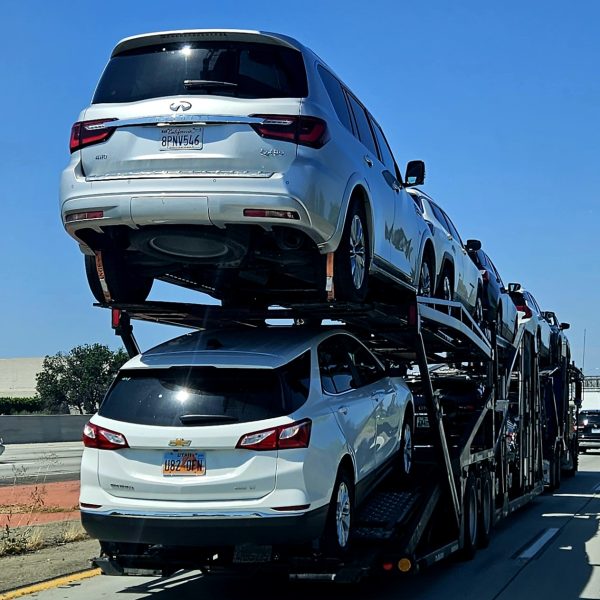
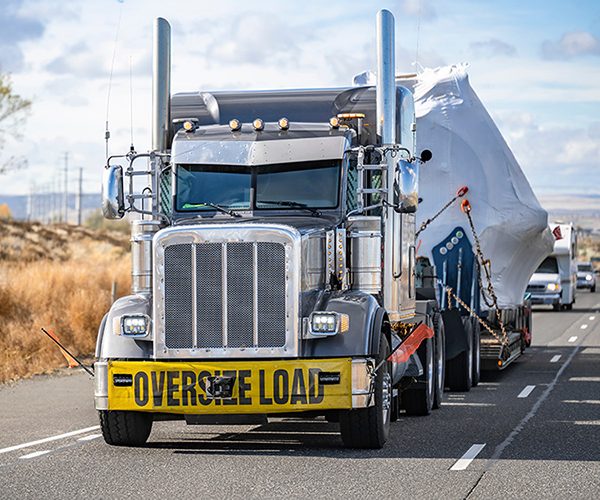
Shipping a car across the country takes more than choosing a price. The vehicle must be ready when the carrier arrives, someone must be able to release it, and the destination must be ready to receive it. Use this cross-country car shipping checklist to keep those decisions in one place.
For an overview of the available arrangements, start with our nationwide auto transport services. This guide focuses on organizing one shipment from the first quote through delivery.
Build One Shipment Record Before Requesting Quotes
Give each company the same information. Keep a copy so a change to the vehicle, address or timing does not get lost between the quote and dispatch.
- Vehicle: Year, make, model, modifications, ground clearance and whether it starts, rolls, steers and brakes.
- Locations: Pickup and delivery addresses, or ZIP codes for preliminary planning, plus any gate, dealer or loading restrictions.
- Contacts: A person who can release the vehicle and a person who can accept delivery, with a backup contact when your travel may make you unavailable.
- Timing: The first date the vehicle is genuinely ready, your available pickup window and any deadline that needs separate review.
- Transport: Open or enclosed service, plus any special loading or handling needs.
For a dealer or auction purchase, confirm release paperwork and vehicle availability before treating the car as ready. For a personal move, account for the day you still need the car to finish moving out.
Separate Your Travel Plans From the Transport Schedule
A requested pickup date, a confirmed carrier arrangement and an estimated delivery window are different things. Ask what has been confirmed in writing at each stage. Tell the coordinator about a flight, lease handover or dealer deadline before booking, and discuss who can handle the vehicle if the schedules do not line up.
| Item | Question to resolve |
|---|---|
| Pickup availability | When is the car ready, and who can release it throughout the requested window? |
| Carrier arrangement | Has a carrier been assigned, and what pickup information has that carrier confirmed? |
| Transit estimate | What is the estimated timing after pickup, and how will changes be communicated? |
| Delivery availability | Who can accept the car, and what happens if the property or contact is unavailable? |
Do not plan a tight connection around an estimated arrival as though it were an appointment. Keep reasonable flexibility in your own travel and transportation arrangements.
Choose the Service and Compare the Complete Cost
Decide whether an open carrier meets your needs or whether the vehicle’s value, finish, exposure concerns or loading requirements warrant an enclosed transport quote. Disclose unusual dimensions, a lift kit, low clearance or a mechanical problem before the trailer is selected.
Compare written totals, payment stages, accepted payment methods, cancellation terms and the circumstances that could change the quote. If you are comparing shipping with driving or towing, use costs for your own trip: fuel, lodging, tolls, rental charges, return travel and the time required. There is no reliable fixed dollar difference that applies to every route.
Confirm who is arranging the move and who will carry the vehicle. The FMCSA consumer advisory for automobile transport explains the difference and directs customers to registration checks. Ask for the assigned carrier’s applicable cargo coverage and claim procedure before pickup.
Confirm Access at Both Ends
A street that works for your car may not work for a loaded transporter. Explain narrow entrances, low branches, tight turns, gate requirements and property delivery hours. Agree on an accessible meeting location when the requested address cannot accommodate the carrier safely and legally.
If a dealership, storage facility or another person will release the car, confirm its paperwork, keys, contact and hours directly. Give the receiving contact the same practical information rather than assuming the delivery end will sort itself out.

Prepare the Vehicle and Keep a Handoff Record
Follow the assigned carrier’s preparation instructions. Remove personal belongings and toll devices, secure loose accessories, provide the required keys and disclose leaks or mechanical changes. Keep enough fuel or battery charge for the agreed loading and unloading process. Our vehicle preparation guide covers the preparation stage in more detail.
At pickup, compare the arriving carrier with the dispatch information. Photograph the vehicle and review the condition report with the driver before signing. Keep your own copy of the pickup record, written quote and any agreed changes.
At delivery, inspect the car against the pickup record before signing the delivery inspection. Document any newly observed damage, take photographs and promptly ask the carrier and coordinator for the applicable claim instructions. Follow the agreed payment terms; a payment receipt and a vehicle-condition report serve different purposes.
Keeping the quote, contacts, schedule confirmations and condition records together gives everyone a clear reference if a question comes up during the trip.
Planning a vehicle shipment? Explore our nationwide auto transport services or request a vehicle transport quote with your route, vehicle condition and preferred timing.
Current Service Information
Elevation Transport Services | Monday-Saturday, 9:00 a.m.-9:00 p.m. Eastern Time | (800) 251-9024 | info@elevationtransportservices.com
Current service availability, policies, pricing, and scheduling are governed by the information on this website and the written quote for each shipment.
Need Help Planning Your Vehicle Transport?
Tell us your pickup and delivery locations, vehicle details, operating condition and preferred timing. We will review the appropriate open or enclosed transport option and provide a shipment-specific quote.