Weather and Vehicle Shipping Safety: What to Expect and How to Protect Your Car
Weather can turn a smooth vehicle shipment into a stressful wait. When winter storms or summer heat hit, your car’s safety and delivery schedule face real challenges. Understanding how weather affects vehicle shipping safety helps you pick the right carrier and avoid costly delays. In this post, you’ll learn what to expect from ETS during tough weather and how to protect your vehicle every step of the way. For more insights, you can visit this link.
Weather Impact on Vehicle Shipping
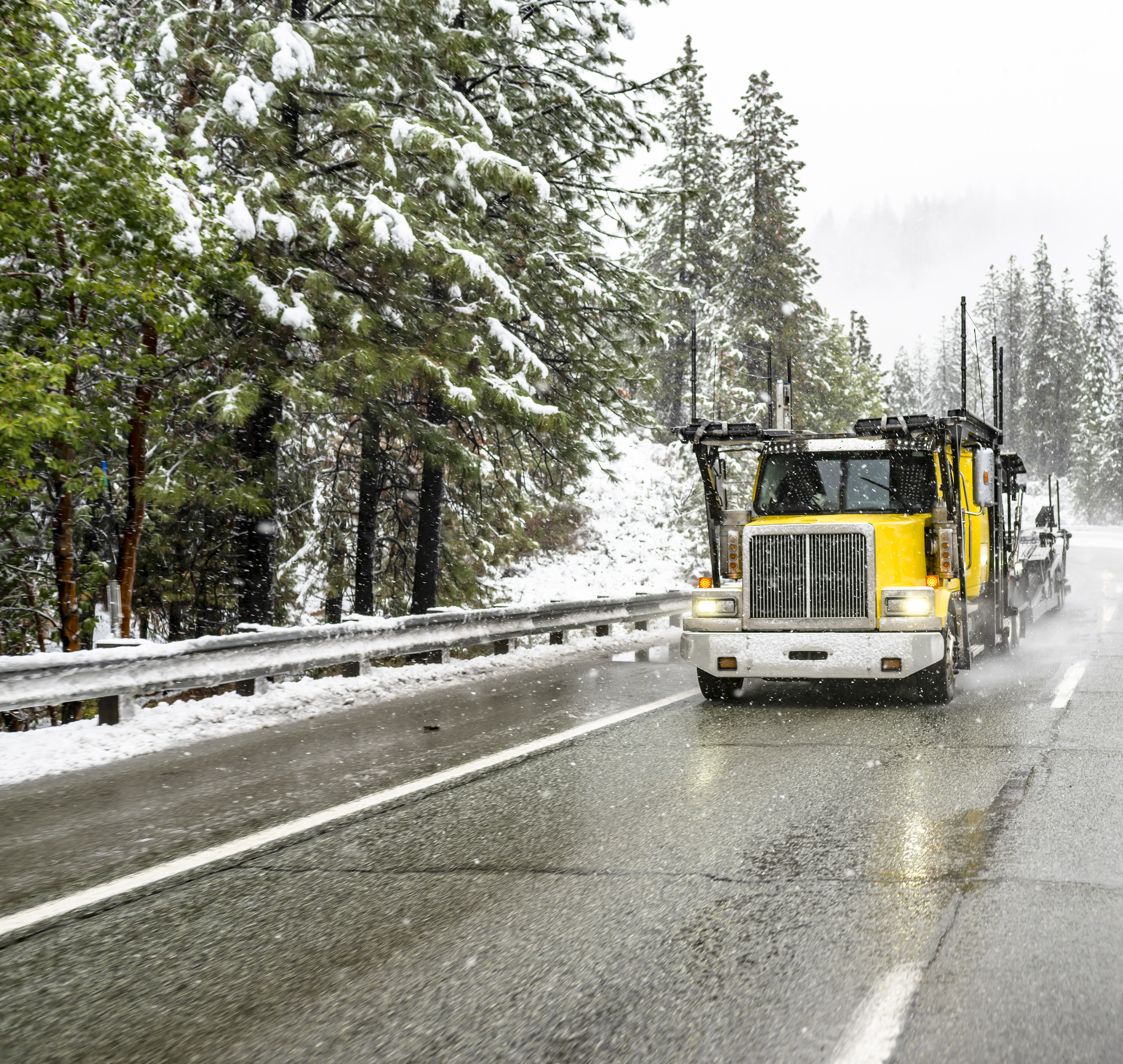
When weather conditions change, vehicle shipping can face unexpected hurdles. Let’s explore how these elements affect the journey and your vehicle’s safety.
Auto Transport Weather Challenges
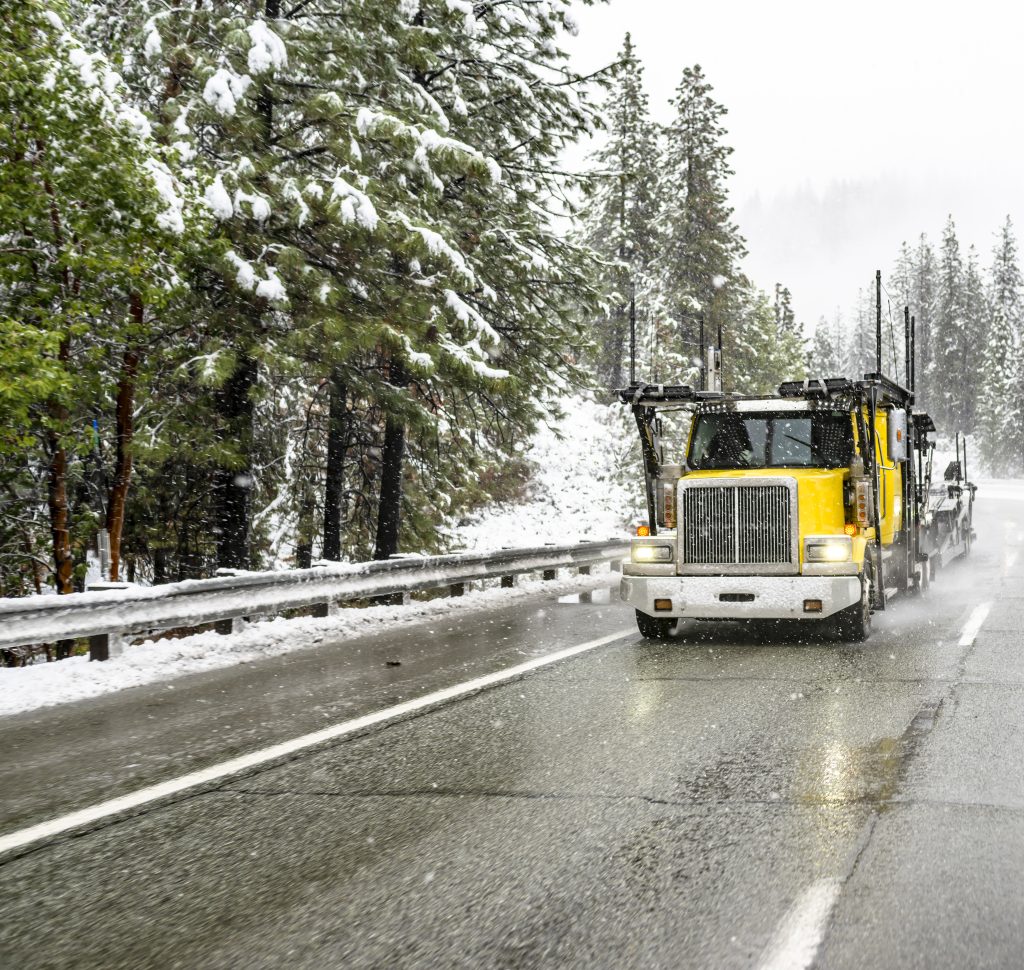
Weather can bring surprises that affect your vehicle’s journey. Rain and snow are common culprits, causing delays and impacting road safety. For example, snow can close roads, while heavy rains may cause flooding, delaying your car’s arrival. These conditions may lead to extra days on the road, as the transport company prioritizes safety over speed.
You might think summer shipping is a breeze, but high temperatures can also pose risks. Sun exposure can affect your car’s paint and interior if it’s shipped on an open carrier. It’s crucial to understand these challenges to better plan your transportation. For more on how weather affects car shipping, check out this article.
Seasonal Vehicle Transport Tips
Each season has its own set of challenges for vehicle shipping. During winters, you should prepare for the possibility of snow and ice delaying your shipment. Choosing a transport company that knows how to handle these conditions can make a big difference. Consider enclosed carriers to protect your vehicle from harsh weather conditions.
In the summer, the main concern is sun damage. An enclosed carrier can also prevent exposure to high temperatures. Plus, booking your shipment during less busy times of the year can help avoid delays. Here’s the key insight: plan ahead and communicate with your transport service about seasonal expectations.
Safe Shipping in Extreme Conditions
When dealing with extreme weather, safety comes first. In hurricane-prone areas, for example, vehicle transport must adapt quickly to changing forecasts. Companies often reroute shipments to avoid dangerous areas. This adaptability ensures the safety of your vehicle.
You might worry about delays, but a reliable company will keep you informed. They use advanced tracking to provide updates throughout the journey. Most people think shipping stops during extreme weather, but good providers find safe paths forward. For more on how weather impacts vehicle safety, see the Federal Highway Administration’s insights.
Choosing the Right Transport Option
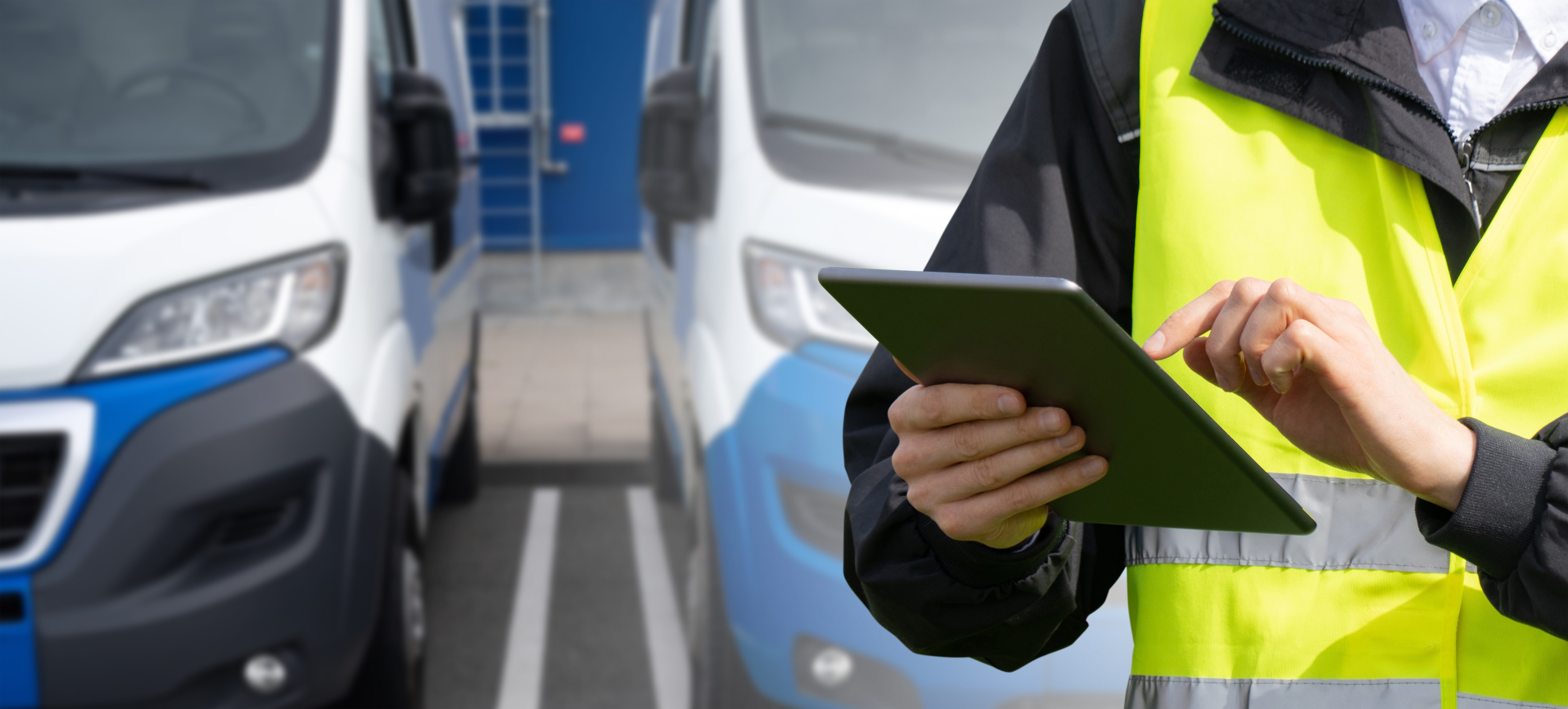
Selecting the correct transport option can shield your vehicle from weather-related issues. Here’s how to make the right choice for your needs.
Open vs. Enclosed Carriers
Choosing between open and enclosed carriers affects how weather impacts your vehicle. Open carriers are common and cost-effective, but they expose your car to the elements. For instance, if you ship during a rainy season, your car may arrive dirty or wet.
In contrast, enclosed carriers offer protection from weather, keeping your car clean and safe. They are ideal for high-value or delicate vehicles. The decision depends on your budget and how much protection you want. Learn more about these options here.
Motorcycle Shipping Safety Tips
Motorcycles can be more vulnerable during shipping. Rain, wind, or sun can affect their condition. Using an enclosed trailer is advised, especially for long distances or during bad weather. This keeps your bike safe from the elements.
Also, secure your motorcycle well to prevent movement during transport. Proper padding and straps can avoid damages caused by rough roads. These steps ensure your motorcycle arrives in perfect condition.
Heavy Equipment Transport Weather Considerations
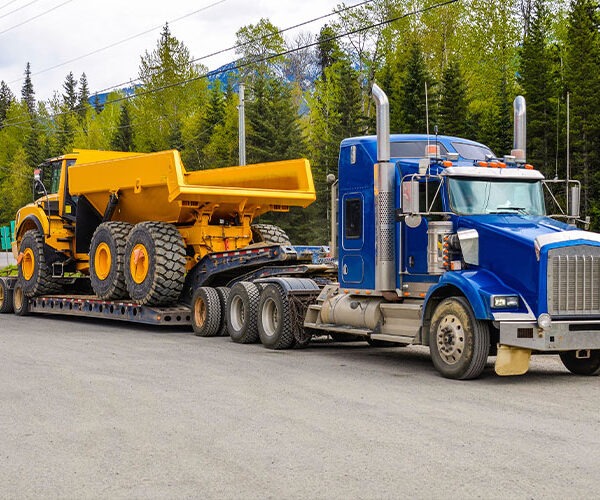
Transporting heavy equipment involves more complexity due to size and weight. Weather can significantly impact these shipments. Windy conditions might cause issues for tall or bulky equipment. To counter this, professional loading and securing techniques are crucial.
Planning is vital. Schedule your shipment during calmer weather periods if possible. Reliable transport services will offer guidance based on forecast conditions, ensuring your equipment’s safe and timely delivery.
ETS Safety Protocols and Communication
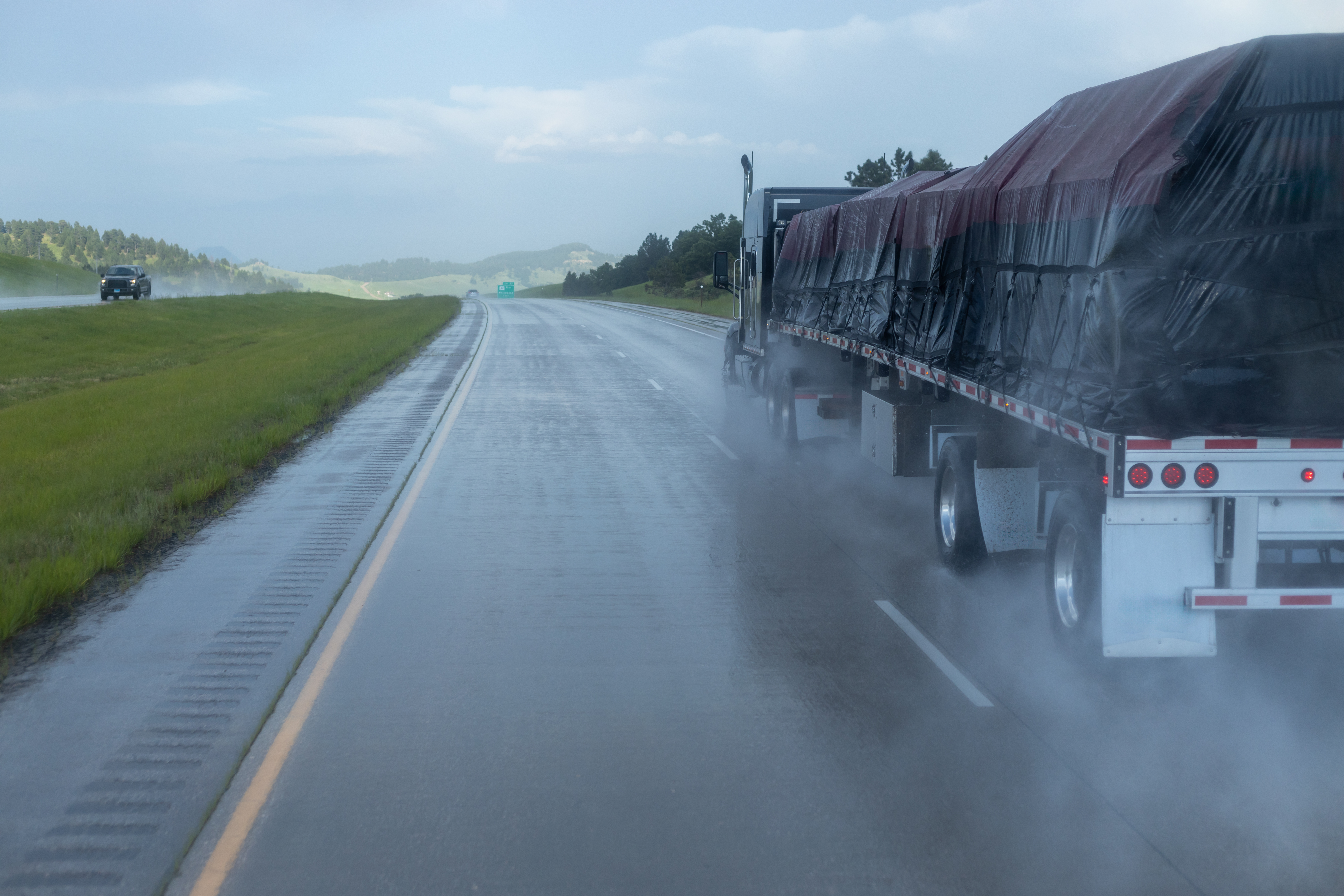
ETS values your peace of mind. Our protocols guarantee safety and keep you informed every step of the way.
Real-Time Shipment Tracking
Staying informed eases the stress of vehicle shipping. Real-time tracking allows you to see where your vehicle is at any moment. This feature is especially handy during adverse weather, as you can monitor changes and anticipate any delays.
Knowing your vehicle’s location gives you peace of mind. It also allows you to plan your schedule better. For many, this is a game-changer in vehicle transport.
ETA Updates for Auto Transport
Estimated time of arrival (ETA) updates keep you in the loop. Weather can sometimes lead to changes in the expected delivery time. With regular updates, you can adjust your plans without unnecessary worry.
Our clients appreciate knowing when to expect their vehicle, even if delays occur. This transparency builds trust and ensures a smooth experience.
Car Shipping Insurance Coverage
Insurance provides an additional safety net during transport. Should weather-related issues arise, comprehensive shipping insurance covers potential damages. It’s important to discuss coverage details with your provider.
Understanding your policy ensures you’re prepared for any situation. Most people think insurance is an extra cost, but it can save you from unexpected expenses.
With these insights, you’re ready to navigate the complexities of vehicle shipping in any weather. Planning and choosing the right options can make all the difference.